

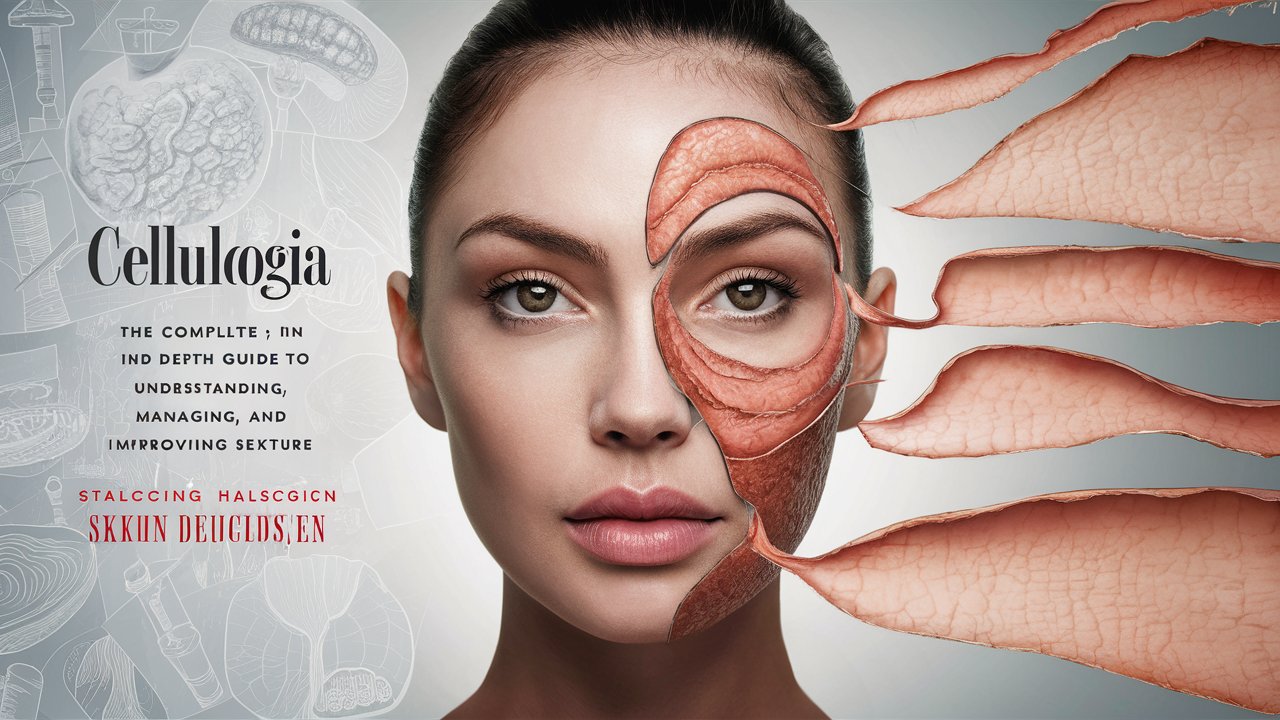
Cellulogia is a term increasingly used to describe the complex structural and metabolic changes in subcutaneous tissue that lead to uneven skin texture, commonly recognized as dimpled or lumpy skin. It is not merely a cosmetic concern but a multifactorial condition influenced by connective tissue structure, microcirculation, fat distribution, lymphatic drainage, hormonal balance, and lifestyle factors. We address cellulogia comprehensively, focusing on science-based understanding, practical management strategies, and long-term improvement approaches that align with realistic expectations and sustainable results.
This guide is designed to provide authoritative, structured, and actionable information for individuals seeking clarity, control, and visible improvement when dealing with cellulogia.
Understanding Cellulogia at a Structural Level
Cellulogia develops due to alterations in the connective tissue matrix and subcutaneous fat compartments. Fibrous septa that connect the skin to deeper tissues can become rigid and shortened, pulling the skin downward, while fat lobules push upward. This opposing force creates surface irregularities that become more visible with reduced skin elasticity or compromised circulation.
We emphasize that cellulogia is not exclusively linked to body weight. Lean individuals can experience it due to genetic predisposition, hormonal sensitivity, or microvascular inefficiency. The condition evolves gradually and reflects long-term tissue behavior rather than sudden changes.
Primary Causes of Cellulogia
Hormonal Influence
Estrogen plays a central role in fat storage, vascular permeability, and collagen synthesis. Fluctuations or dominance can weaken connective tissue support and encourage fluid retention, worsening the appearance of cellulogia.
Microcirculation and Lymphatic Stagnation
Reduced blood flow limits oxygen and nutrient delivery, while impaired lymphatic drainage allows metabolic waste to accumulate. These processes contribute to tissue congestion and fibrotic changes.
Connective Tissue Integrity
Collagen and elastin degradation reduce skin resilience. As structural proteins weaken, the surface becomes more susceptible to deformation.
Lifestyle and Environmental Factors
Sedentary behavior, prolonged sitting, dehydration, high sodium intake, smoking, and chronic stress directly influence vascular tone and tissue oxygenation, accelerating cellulogia development.
Stages and Severity of Cellulogia
Cellulogia progresses in identifiable stages, each requiring tailored management:
-
Stage One: Smooth skin at rest with slight dimpling when compressed.
-
Stage Two: Visible unevenness while standing, associated with reduced elasticity.
-
Stage Three: Pronounced dimpling in all positions, often accompanied by tenderness and tissue hardness.
Early identification allows more efficient intervention and better outcomes.
High-Impact Strategies for Managing Cellulogia
Targeted Nutrition for Tissue Health
We prioritize nutrition that supports connective tissue regeneration and vascular efficiency. A diet rich in lean proteins, omega-3 fatty acids, antioxidants, and micronutrients strengthens collagen synthesis and reduces inflammation. Hydration remains essential for maintaining extracellular matrix flexibility and efficient lymphatic flow.
Refined sugars, excessive salt, and ultra-processed foods exacerbate fluid retention and glycation damage, undermining structural integrity.
Movement and Muscle Engagement
Consistent physical activity is essential for cellulogia management. Resistance training improves muscle tone beneath affected areas, while aerobic movement enhances circulation and fat metabolism. Functional exercises that engage large muscle groups stimulate lymphatic flow and improve skin firmness over time.
Advanced Topical and Manual Approaches
Topical Formulations
High-quality formulations containing caffeine, retinoids, peptides, and botanical extracts temporarily enhance skin appearance by improving circulation and promoting collagen turnover. Consistent application improves texture and tone when combined with other strategies.
Manual Techniques
Massage therapies, including lymphatic drainage and deep tissue mobilization, reduce tissue congestion and soften fibrotic areas. Regular sessions improve elasticity and support long-term improvements.
Professional and Technological Interventions
Modern aesthetic technologies offer measurable benefits when integrated into a structured plan. Energy-based treatments, mechanical stimulation, and controlled tissue remodeling techniques target fibrous bands and improve skin surface regularity.
We stress the importance of qualified practitioners and realistic expectations. Professional treatments enhance results but do not replace foundational lifestyle and nutritional strategies.
Preventive Measures for Long-Term Results
Prevention is integral to cellulogia management. Maintaining consistent hydration, avoiding prolonged immobility, supporting hormonal balance, and prioritizing sleep reduce recurrence risk. Skin care routines that reinforce barrier function and elasticity further protect against progression.
Psychological Perspective and Body Awareness
We advocate a balanced mindset. Cellulogia is common and physiologically influenced. Sustainable improvement focuses on health-driven choices rather than perfection. Confidence and body awareness reinforce adherence to beneficial habits and support overall well-being.
Conclusion
Cellulogia is a multifaceted condition that requires a structured, informed, and consistent approach. We emphasize understanding tissue dynamics, supporting connective structures, optimizing circulation, and integrating lifestyle-based strategies for lasting improvement. Through disciplined nutrition, movement, targeted care, and preventive practices, visible and meaningful progress is achievable. Long-term success depends on persistence, realistic expectations, and evidence-based choices.
Frequently Asked Questions (FAQ)
Is cellulogia permanent?
Cellulogia is manageable and improvable. Structural changes can be softened and appearance significantly reduced with consistent intervention.
Does weight loss eliminate cellulogia?
Weight loss alone does not resolve cellulogia. Tissue quality, circulation, and connective strength are more influential than body fat percentage.
How long does it take to see improvement?
Noticeable changes typically appear within several weeks of consistent care, with progressive improvement over months.
Are topical treatments effective?
Topicals enhance appearance and support tissue health but work best alongside lifestyle and manual strategies.
Can cellulogia be prevented?
While genetic factors exist, proactive habits significantly reduce severity and progression.