

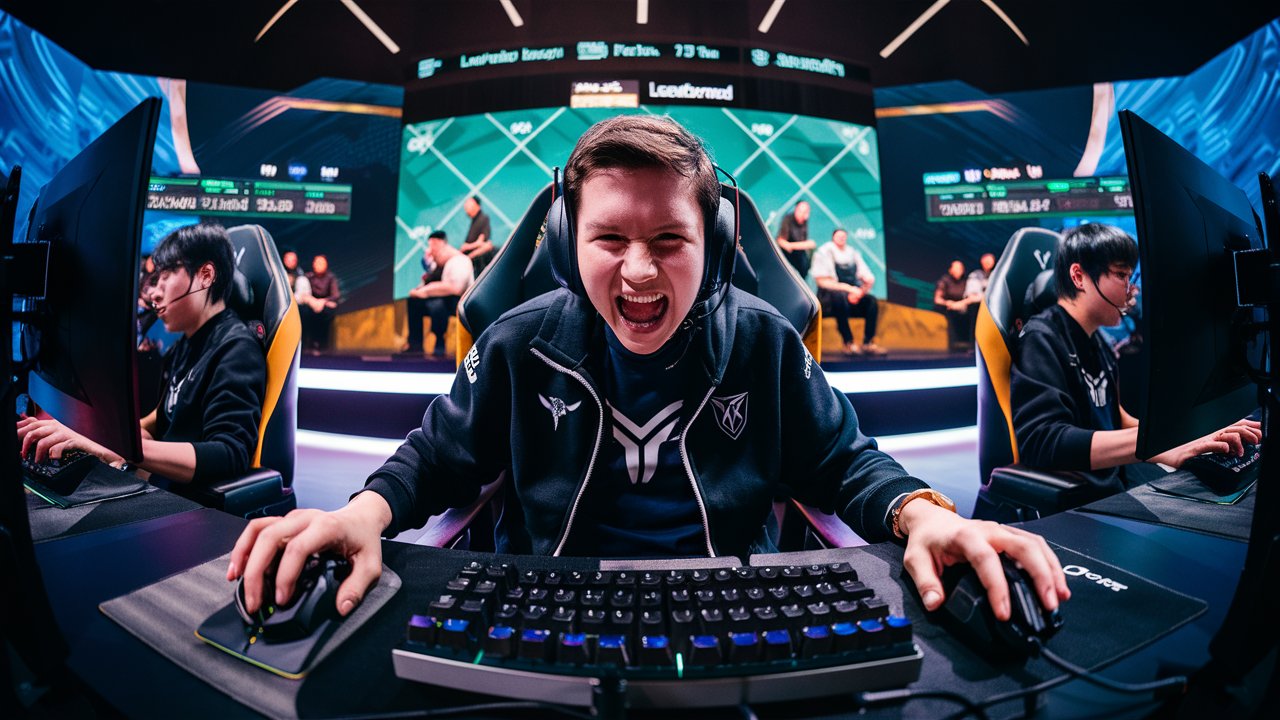
We define gamer challenger as more than a label; it is a disciplined competitive identity that represents ambition, consistency, and mastery across modern gaming ecosystems. The gamer challenger mindset is built on structured improvement, deep mechanical understanding, tactical intelligence, and psychological resilience. In today’s hyper-competitive digital arenas, casual play no longer defines success. Instead, challengers rise through data-driven practice, adaptive learning, and a relentless focus on performance optimization.
We explore gamer challenger culture as a complete framework for players who aim to dominate ranked ladders, competitive tournaments, and online leaderboards. This article establishes the gamer challenger as a benchmark for elite performance, strategic growth, and sustainable success in gaming.
What Defines a Gamer Challenger Identity
The gamer challenger identity is characterized by intentional gameplay, measurable goals, and continuous refinement. We do not chase random wins; we pursue consistent excellence. A gamer challenger studies gameplay metrics, evaluates mistakes with clarity, and implements improvements systematically.
This identity thrives on accountability. Every loss becomes a learning event. Every victory becomes data. Gamer challengers understand that performance is built over time through discipline rather than impulse. The challenger mindset rejects shortcuts and embraces mastery through repetition, analysis, and strategic awareness.
Core Skills Every Gamer Challenger Must Master
Mechanical Precision and Execution
Mechanical skill is the foundation of every gamer challenger. Precision aiming, flawless movement, optimized keybinds, and reaction-time conditioning separate challengers from average players. We train mechanics deliberately, using drills, aim trainers, custom lobbies, and scenario-based practice that mirrors competitive conditions.
A gamer challenger does not rely on talent alone. We refine execution through repetition under pressure, ensuring muscle memory remains consistent even during high-stakes moments.
Game Sense and Tactical Intelligence
Beyond mechanics, game sense defines challenger-level gameplay. This includes map awareness, opponent prediction, resource management, and timing-based decision-making. Gamer challengers read the game several moves ahead, adapting strategies in real time.
We understand positioning, rotations, risk-reward calculations, and tempo control. Tactical intelligence allows us to dictate engagements rather than react to them. This is where gamer challengers gain decisive advantages.
Mental Resilience: The Competitive Edge of a Gamer Challenger
Mental resilience is the most underrated yet powerful trait of a gamer challenger. Tilt management, emotional regulation, and focus sustainability are non-negotiable. We remain composed during losing streaks and disciplined during winning streaks.
A gamer challenger trains the mind as rigorously as mechanics. Visualization, pre-game routines, post-game reviews, and controlled breathing techniques help maintain peak performance. Competitive pressure becomes an ally rather than a liability.
Training Systems Used by Gamer Challengers
Structured Practice Frameworks
Random play does not produce challenger results. We use structured training systems with defined objectives for each session. Warm-ups focus on mechanics, main sessions target ranked or scrims, and cooldowns include review and reflection.
We track progress using performance indicators such as accuracy, damage output, decision efficiency, and win conditions fulfilled. This transforms effort into measurable growth.
Replay Analysis and Performance Audits
Replay analysis is essential to the gamer challenger methodology. We identify patterns, inefficiencies, and missed opportunities. Instead of blaming external factors, we isolate controllable variables.
By auditing our gameplay, we eliminate bad habits and reinforce winning behaviors. This analytical discipline accelerates improvement far beyond casual repetition.
Gamer Challenger Strategies for Ranked and Competitive Play
Consistency Over Flashy Play
Gamer challengers prioritize consistency. We choose reliable strategies, stable loadouts, and predictable execution. Flashy plays may attract attention, but consistent decision-making wins games and climbs ranks.
We understand match pacing and adapt aggression levels to objectives rather than ego. This disciplined approach defines long-term success.
Adaptation and Meta Awareness
A true gamer challenger stays informed. We track patch updates, balance changes, and evolving metas. Instead of resisting change, we exploit it.
Adaptation is proactive, not reactive. We test new strategies early, refine them quickly, and integrate them before competitors catch up. This strategic foresight creates a persistent edge.
Team Dynamics and Communication for Gamer Challengers
In team-based games, communication is a performance multiplier. Gamer challengers communicate clearly, concisely, and constructively. We share actionable information, coordinate objectives, and maintain morale.
Leadership naturally emerges from consistency and trust. Gamer challengers elevate team performance by setting standards, stabilizing chaos, and enabling synergy. We understand that teamwork amplifies individual skill.
Technology, Gear, and Optimization for Gamer Challengers
Hardware Optimization
We optimize every technical variable. High-refresh-rate monitors, low-latency peripherals, optimized audio settings, and stable network connections are essential. Gamer challengers eliminate technical disadvantages before entering competition.
System optimization includes graphical settings tuned for clarity, input delay reduction, and ergonomic setups that support long sessions without fatigue.
Software and Performance Tools
We use performance tracking tools, aim trainers, and analytics platforms to refine gameplay. Data informs decisions. Optimization is continuous, not occasional.
A gamer challenger leverages technology as an extension of skill, ensuring no advantage is left unused.
Content Creation and Branding as a Gamer Challenger
Modern gamer challengers often build personal brands. Streaming, educational content, and competitive highlights establish authority and visibility. We focus on value-driven content that showcases skill, insight, and professionalism.
Branding is strategic. Consistency, authenticity, and expertise attract communities and opportunities. The gamer challenger becomes not just a player, but a recognized competitor and influencer within the gaming ecosystem.
Long-Term Growth and Sustainability for Gamer Challengers
Burnout is the enemy of progress. Gamer challengers manage schedules, recovery, and motivation deliberately. We balance intensity with rest to maintain longevity.
Goal-setting is layered: short-term performance targets, mid-term ranking objectives, and long-term mastery milestones. This structured vision sustains momentum and prevents stagnation.
Conclusion: Why Gamer Challenger Is the New Competitive Standard
The gamer challenger represents the evolution of competitive gaming. It is a mindset grounded in discipline, intelligence, and resilience. We move beyond luck and embrace mastery. Every aspect of gameplay is intentional, optimized, and refined.
By adopting the gamer challenger framework, players transform potential into performance. This is not a shortcut; it is a system. Those who commit to it redefine what winning truly means in modern gaming.
Frequently Asked Questions About Gamer Challenger
What does gamer challenger mean?
Gamer challenger refers to a competitive gaming identity focused on structured improvement, elite performance, and strategic mastery.
Is gamer challenger only for professional players?
No. Any dedicated player can adopt the gamer challenger mindset to improve consistency, ranking, and competitive confidence.
How long does it take to become a gamer challenger?
Progress depends on discipline, practice quality, and mindset. Consistent application produces noticeable improvement over time.
What games suit the gamer challenger approach?
The gamer challenger framework applies to FPS, MOBA, battle royale, strategy, and competitive multiplayer games.
Can casual players benefit from gamer challenger methods?
Yes. Even casual players experience better performance, confidence, and enjoyment through structured improvement.