

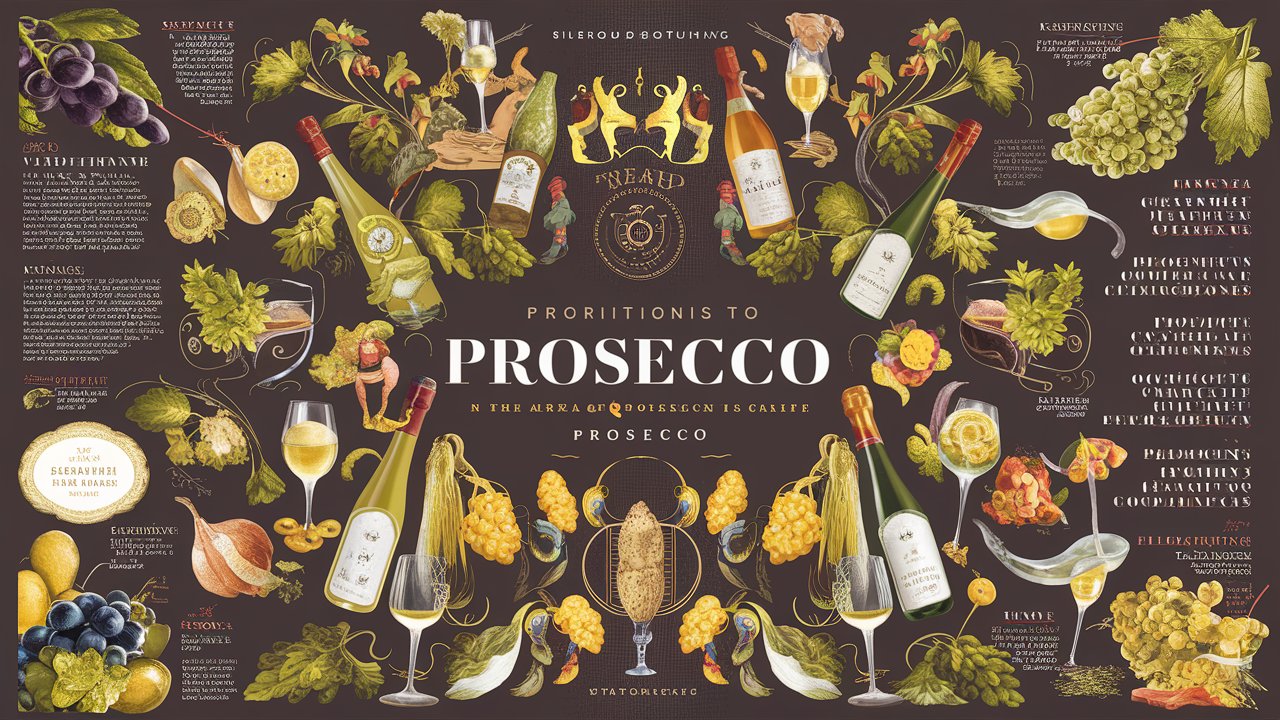
In recent years, prosecchini has emerged as a refined expression of sparkling wine culture, captivating enthusiasts with its delicate bubbles, fruit-forward character, and versatile charm. We recognize prosecchini as a broader lifestyle experience rather than just a beverage, representing elegance, conviviality, and modern celebration. The growing interest in prosecco-inspired drinks has fueled the rise of prosecchini as a distinctive category that blends tradition with contemporary appeal. From casual gatherings to luxurious occasions, prosecchini delivers a consistent profile of freshness and balance that resonates across cultures.
Understanding Prosecchini: Origins and Craftsmanship
The concept of prosecchini originates from the sparkling wine traditions rooted in northeastern Italy, particularly in regions such as Conegliano Valdobbiadene, where terroir, climate, and craftsmanship converge to produce refined effervescent wines. Prosecchini represents a modern interpretation of this heritage, often designed as smaller, more approachable servings or stylistic variations with enhanced aromatic profiles.
We observe that prosecchini typically features Glera grapes, which contribute to its signature notes of green apple, pear, white flowers, and citrus zest. The fermentation process usually follows the Charmat method, which preserves freshness and fruitiness, giving prosecchini its light body and vibrant sparkle.
Flavor Profile and Sensory Experience of Prosecchini
The taste of prosecchini is best described as crisp, aromatic, and delicately effervescent. On the palate, we experience a harmonious blend of:
-
Fresh orchard fruits such as apple and pear
-
Citrus nuances including lemon zest and grapefruit
-
Floral undertones reminiscent of acacia and honeysuckle
-
Subtle sweetness levels ranging from brut to extra dry
This refined profile makes prosecchini accessible to both novice wine drinkers and seasoned connoisseurs.
Types of Prosecchini and Their Unique Characteristics
Brut Prosecchini
This style contains the lowest sugar levels, delivering a dry, crisp finish with pronounced acidity. Ideal for aperitifs and savory dishes.
Extra Dry Prosecchini
A slightly sweeter expression with balanced fruit notes, making it the most popular style globally.
Dry Prosecchini
Despite its name, this version is noticeably sweeter, offering lush fruitiness that pairs beautifully with desserts and spicy cuisine.
Rosé Prosecchini
Infused with red grape varieties, rosé prosecchini presents berry notes and a soft pink hue, enhancing visual appeal and romantic presentation.
How to Serve Prosecchini Perfectly
Serving prosecchini correctly elevates its sensory experience. We recommend:
-
Temperature: Chill to 6–8°C (43–46°F) for optimal freshness
-
Glassware: Use a tulip-shaped glass to preserve aromas
-
Pouring technique: Tilt the glass slightly to maintain bubbles
These simple practices ensure the maximum expression of aroma and effervescence.
Best Food Pairings with Prosecchini
Prosecchini’s versatility makes it an excellent companion for a wide range of cuisines. We emphasize pairing it with:
-
Light appetizers such as bruschetta and seafood
-
Fresh salads with citrus dressings
-
Creamy pasta dishes for contrast
-
Mild cheeses like mozzarella or burrata
-
Fruity desserts including tarts and sorbets
Its balanced acidity cleanses the palate, enhancing every bite and sip.
Prosecchini vs Prosecco: Key Differences
While prosecchini and prosecco share common origins, they differ in presentation and lifestyle positioning. Prosecchini is often positioned as a modern, lifestyle-oriented variant, frequently offered in smaller formats or crafted with stylistic innovations. Prosecco, by contrast, remains a traditional classification tied to specific DOC and DOCG regulations.
The distinction lies not in quality, but in branding, packaging, and target audience, with prosecchini appealing to a more contemporary and casual market.
Health and Lifestyle Benefits of Prosecchini
Moderate consumption of prosecchini can complement a balanced lifestyle. Its relatively lower alcohol content compared to other wines and its refreshing profile make it suitable for lighter drinking occasions. Additionally, its lower sugar variants, such as brut prosecchini, provide reduced caloric intake, making it a preferred choice for health-conscious individuals.
How to Choose the Best Prosecchini
Selecting high-quality prosecchini involves paying attention to:
-
Origin and certification labels
-
Sugar level (Brut, Extra Dry, Dry)
-
Brand reputation and reviews
-
Bottle design and freshness indicators
We encourage choosing producers with strong heritage and commitment to authentic Italian winemaking traditions.
Where to Buy Premium Prosecchini
Prosecchini is widely available through:
-
Online wine retailers offering global delivery
-
Specialty liquor stores with curated selections
-
Fine dining restaurants and wine bars
When purchasing, we recommend verifying authenticity and ensuring proper storage conditions to maintain quality.
The Global Popularity of Prosecchini
The rise of prosecchini is fueled by its accessibility, affordability, and social appeal. It aligns perfectly with modern trends emphasizing casual luxury and shared experiences. From weddings to brunches, prosecchini has become synonymous with celebration, driving its demand across Europe, North America, and emerging markets worldwide.
Conclusion: Why Prosecchini Is the Sparkling Choice of the Future
Prosecchini embodies the perfect balance between tradition and innovation, delivering a refreshing, elegant, and versatile sparkling wine experience. Its approachable flavor profile, wide range of styles, and compatibility with diverse cuisines make it a standout choice for any occasion. As global appreciation for sparkling wines continues to grow, prosecchini is poised to remain a dominant and celebrated category for years to come.
Frequently Asked Questions (FAQ)
What is prosecchini made from?
Prosecchini is primarily made from Glera grapes, often blended with small percentages of other approved varieties to enhance complexity.
Is prosecchini sweeter than champagne?
Generally, prosecchini—especially extra dry styles—is slightly sweeter and fruitier than traditional champagne.
Can prosecchini be used in cocktails?
Yes, prosecchini is ideal for cocktails such as spritz variations and fruit-infused sparkling drinks.
How long can an opened bottle of prosecchini last?
Once opened, prosecchini maintains its freshness for 1–3 days when sealed and refrigerated.
Is prosecchini suitable for special occasions?
Absolutely. Its elegant presentation and refreshing taste make prosecchini perfect for celebrations, weddings, and social gatherings.