

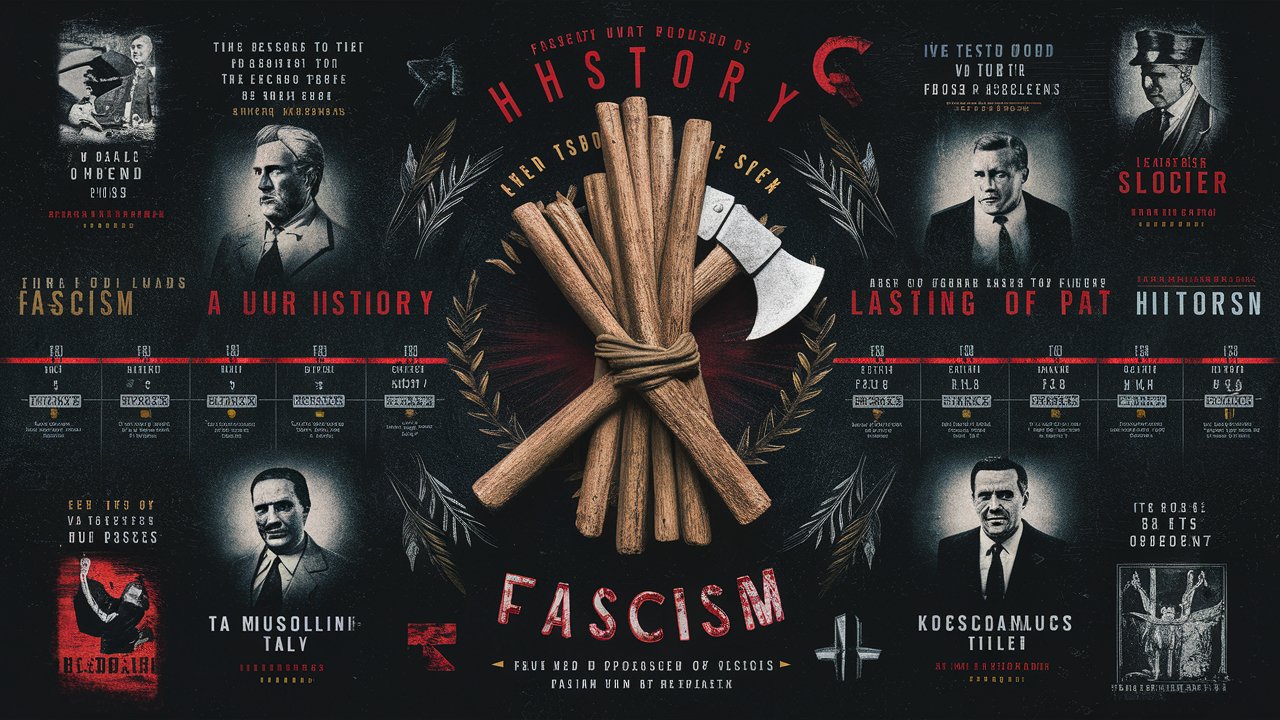
The term “fascisterne” refers to the fascists, individuals and movements aligned with the political ideology of fascism. Throughout modern history, fascisterne have shaped nations, transformed political systems, and left a profound imprint on global affairs. To fully grasp the significance of fascisterne, we must examine the historical roots of fascism, its core ideological principles, its rise to power in Europe, and its lasting consequences in the modern world.
In this comprehensive article, we explore fascisterne in depth—analyzing how fascist movements emerged, what they stood for, how they governed, and why their legacy continues to influence political discourse today. By understanding fascisterne, we gain clarity on one of the most defining and controversial political forces of the 20th century.
Fascisterne and the Origins of Fascism
The origins of fascisterne can be traced back to early 20th-century Europe, particularly in Italy after World War I. The devastation of war, economic instability, and political unrest created fertile ground for radical movements promising national revival and strong leadership. Fascisterne positioned themselves as defenders of national pride, social order, and unity in times of uncertainty.
The word “fascism” derives from the Latin term fasces, symbolizing authority and unity. Fascisterne embraced this symbolism to promote the idea of collective strength under centralized power. They rejected liberal democracy, parliamentary politics, and individualism, arguing instead for a unified state led by a single authoritative figure.
The rise of fascisterne was not accidental; it was deeply connected to societal fear, economic collapse, and the perception that traditional political systems had failed. By capitalizing on public dissatisfaction, fascist movements expanded rapidly and established authoritarian regimes.
Core Ideology of Fascisterne
To understand fascisterne, we must define the fundamental principles that shaped their worldview. Fascism is characterized by a combination of ultranationalism, authoritarian leadership, militarism, and suppression of opposition.
1. Ultranationalism and National Rebirth
Fascisterne promoted the belief that the nation is supreme above all else. They emphasized cultural purity, historical greatness, and collective identity. The concept of national rebirth—often referred to as palingenesis—was central to fascist ideology. Fascisterne portrayed themselves as the force that would restore lost glory and eliminate internal and external threats.
2. Authoritarian Leadership
A defining trait of fascisterne is their commitment to a single, powerful leader who embodies the will of the nation. This leader is portrayed as infallible, decisive, and uniquely capable of guiding the country toward greatness. Democratic institutions, checks and balances, and political pluralism are rejected in favor of centralized control.
3. Militarism and Discipline
Fascisterne valued military strength and discipline as essential to national survival. They glorified war as a means of proving strength and unity. Paramilitary organizations often supported fascist movements, reinforcing the culture of obedience and loyalty.
4. Suppression of Dissent
Fascisterne systematically eliminated opposition through censorship, propaganda, and political repression. Independent media, rival political parties, and civil liberties were curtailed to ensure absolute control.
The Rise of Fascisterne in Europe
The most significant rise of fascisterne occurred during the interwar period. Economic depression, unemployment, and political fragmentation allowed fascist movements to gain momentum. Fascisterne presented themselves as the solution to chaos and decline.
In Italy, fascisterne organized mass rallies, leveraged propaganda, and exploited fears of communism to gain widespread support. Their success inspired similar movements across Europe. The appeal of fascisterne was rooted in their promise of order, stability, and national strength during turbulent times.
The expansion of fascist regimes dramatically altered Europe’s political landscape and ultimately contributed to global conflict. The aggressive nationalism of fascisterne fueled territorial ambitions and militarization, which destabilized international relations.
Fascisterne and Propaganda Machinery
One of the most effective tools used by fascisterne was propaganda. They mastered the art of controlling public perception through newspapers, radio broadcasts, posters, and mass demonstrations. Propaganda emphasized strength, unity, and loyalty while portraying enemies as threats to national survival.
By shaping narratives and controlling information, fascisterne cultivated widespread support and minimized resistance. The use of symbols, uniforms, and choreographed rallies reinforced emotional connections to the regime. This calculated manipulation of public sentiment remains a defining characteristic of fascist movements.
Economic Policies of Fascisterne
Fascisterne adopted a unique economic approach often described as corporatism. Under this system, the state mediated relationships between workers and employers while maintaining ultimate authority. Private property remained, but economic decisions aligned with state interests.
The goal was not free-market capitalism nor socialism but a controlled economy serving national objectives. Fascisterne emphasized industrial growth, infrastructure development, and military expansion. While some policies initially reduced unemployment, long-term sustainability proved challenging.
Economic centralization strengthened the state’s influence and reinforced authoritarian power structures.
Social and Cultural Impact of Fascisterne
The social policies of fascisterne sought to reshape society according to rigid ideological standards. Traditional gender roles were reinforced, and education systems were redesigned to instill loyalty and obedience. Youth organizations indoctrinated future generations with fascist values.
Cultural expression was tightly controlled. Art, literature, and cinema were expected to glorify the nation and support the regime. Intellectual independence was discouraged, and dissenting voices were silenced.
The cultural legacy of fascisterne remains significant, as it demonstrates how political ideology can permeate every aspect of daily life.
Fascisterne and Global Consequences
The expansionist ambitions of fascisterne led to devastating global consequences. Aggressive foreign policies destabilized international peace and contributed to widespread conflict. The authoritarian nature of fascist regimes resulted in human rights violations, persecution, and mass suffering.
The defeat of fascist regimes marked a turning point in world history. International institutions were strengthened to prevent the reemergence of similar ideologies. The legacy of fascisterne serves as a powerful reminder of the dangers posed by unchecked authoritarianism.
Modern Perspectives on Fascisterne
Although classical fascist regimes collapsed, the term fascisterne continues to appear in political discourse. Scholars analyze historical fascism to identify patterns that may reappear in contemporary movements. Understanding fascisterne allows societies to recognize warning signs such as extreme nationalism, erosion of democratic institutions, and suppression of dissent.
Modern analysis emphasizes education, critical thinking, and civic engagement as safeguards against authoritarian ideologies. By studying fascisterne, we strengthen democratic resilience and preserve pluralistic values.
Additional Keyword-Focused Titles and Their Explanations
1. “The Rise of Fascisterne in Europe”
This title targets searches related to the historical expansion of fascist movements, focusing on political conditions and societal factors that enabled their growth.
2. “Fascisterne and Authoritarian Leadership”
This keyword-rich title addresses the core structural element of fascism—centralized power and dictatorship.
3. “The Ideology Behind Fascisterne Explained”
This variation captures readers seeking a clear definition and ideological breakdown of fascism and fascisterne.
4. “How Fascisterne Shaped 20th-Century Politics”
This focuses on the long-term global impact and political transformations influenced by fascist regimes.
5. “Propaganda and Power: The Strategy of Fascisterne”
This title targets readers interested in the communication strategies and mass influence tactics used by fascist movements.
Conclusion: The Enduring Significance of Fascisterne
Fascisterne represent a powerful chapter in modern political history. Their ideology combined ultranationalism, authoritarianism, and militarism into a system that reshaped nations and altered global trajectories. Through centralized control, propaganda mastery, and suppression of opposition, fascisterne established regimes that left lasting marks on society and international relations.
Understanding fascisterne is essential not only as a historical study but as a safeguard for the future. By examining their rise, governance, and consequences, we reinforce the principles of democracy, pluralism, and human rights. The study of fascisterne equips us with the knowledge necessary to identify and resist authoritarian tendencies wherever they may emerge.
FAQ About Fascisterne
What does “fascisterne” mean?
“Fascisterne” translates to “the fascists” and refers to individuals or groups adhering to the political ideology of fascism.
What are the main beliefs of fascisterne?
Fascisterne believe in ultranationalism, authoritarian leadership, militarism, and suppression of political opposition.
Why did fascisterne rise in the 20th century?
Economic crises, political instability, and public dissatisfaction with democratic systems contributed to the rise of fascisterne.
Are fascisterne still relevant today?
While historical fascist regimes ended, the study of fascisterne remains relevant in understanding modern authoritarian movements and protecting democratic institutions.